
ALBUM REVIEW
Finntroll
Jaktens Tid
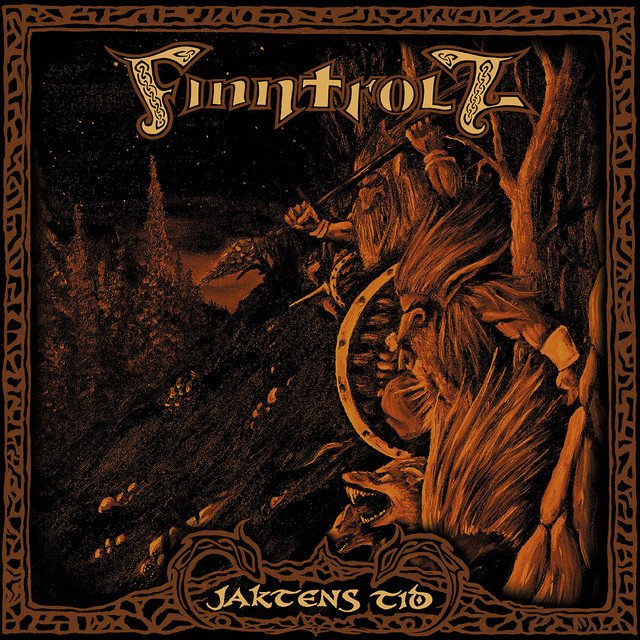
Finntroll did not invent folk metal, but Jaktens Tid helped define the point where the style stopped feeling like metal decorated with traditional melodies and became its own unruly creature. The band’s second album is raw, theatrical and immediately recognizable: blackened guitar work, rasped vocals and pounding drums are bent around bouncing keyboard lines that sound equally suited to a village dance and a nocturnal raid.
A crooked, infectious folk-metal classic that still sounds like a tavern brawl spilling into the forest.
That contrast is the album’s central strength. The music is aggressive without becoming joyless, and playful without losing its teeth. “Födosagan” establishes the formula early, shifting between charging riffs and jaunty melodic figures with complete confidence. “Slaget vid Blodsälv” and “Skogens Hämnd” push the heavier side harder, but the rhythm rarely settles into ordinary black-metal severity. Everything sways, stomps or lurches forward as though the songs are being played by a procession that has consumed far too much ale.
The title track is the obvious centerpiece. Its broad melodic hook, choral voices and rolling pulse summarize what Finntroll could do better than almost anyone at the time: make extreme metal feel festive without turning it into novelty music. The keyboards are conspicuous and occasionally synthetic, yet that artificial texture has become part of the album’s charm. Rather than imitating authentic folk instrumentation, Jaktens Tid creates its own exaggerated woodland mythology.
There is enough variation to keep the record from becoming one long polka-metal charge. “Bakom Varje Fura” functions as a brief atmospheric pause, while “Kitteldags” and “Krigsmjöd” return with sharper riffs and more compact structures. “VargTimmen” is among the strongest tracks, balancing menace and melody without allowing either side to dominate. The closing stretch becomes stranger and more ceremonial, culminating in the long, drifting outro “Tomhet och Tystnad Härska.”
The album is not especially polished, and its sequencing can feel loose. Some ideas arrive, make their point and disappear before they develop fully. The production also lacks the weight and clarity Finntroll would gain later. Yet excessive refinement might have damaged this particular record. Its personality depends on the sense that the music is barely contained.
More than two decades later, Jaktens Tid remains one of the clearest arguments for folk metal as something more substantial than costumes and drinking songs. It is memorable because the melodies are strong, but enduring because the band fused them to a genuinely hostile metallic core. Plenty of later records would be bigger, cleaner and more elaborate. Few would sound this alive.